What makes a casino game truly addictive?
The Psychology of Reward
The allure of casino games often lies in their psychological design, which effectively taps into the human brain’s reward system. When players engage in these games, the potential for winning triggers the release of dopamine, a neurotransmitter associated with pleasure and satisfaction. This biochemical reaction creates a sense of excitement and euphoria, compelling players to continue playing in hopes of experiencing that sensation again. Many enjoy exploring the casino online environment, as the anticipation of winning further enhances this effect, while players await the outcome of each round, creating an almost euphoric cycle of play.
Moreover, many casino games are structured to provide a steady stream of smaller rewards, which keeps players engaged for extended periods. This concept, often referred to as „variable ratio reinforcement,“ suggests that rewards are given out inconsistently, making each win feel more thrilling and unpredictable. For instance, slot machines frequently pay out small wins, leading players to feel that they are on the brink of hitting it big. This design exploits a psychological phenomenon where uncertainty can be more motivating than guaranteed rewards, thereby drawing players back for more.
Additionally, the design of these games plays into common cognitive biases. Players may overestimate their chances of winning based on previous experiences or believe they have strategies that will lead to success. This illusion of control keeps them engaged longer than intended, as they convince themselves that a big win is just around the corner. In essence, the psychological mechanics behind reward systems in casino games are meticulously crafted to maximize user engagement and prolong gameplay, making them highly addictive in nature.
The Role of Visual and Auditory Stimuli
The sensory experience of casino games is carefully curated to enhance player engagement and addiction. Bright colors, flashing lights, and dynamic animations create an atmosphere that heightens excitement. For instance, a slot machine’s vibrant visuals can create a mesmerizing effect, drawing players in and keeping their attention focused on the screen. The visual appeal is often complemented by captivating sounds—such as jingles or celebratory chimes—triggering emotional responses that make the experience feel more rewarding and stimulating, thereby reinforcing the desire to continue playing.
Moreover, the use of sound effects is strategically employed to reinforce positive outcomes. When players win, the accompanying sounds amplify feelings of joy and accomplishment, creating a more immersive experience. Conversely, losing rounds are often accompanied by muted or less engaging audio, which can encourage players to continue trying to recapture the thrilling sound of victory. This sophisticated interplay of sound and visuals is designed to create a compelling environment that feels rewarding, reinforcing the desire to keep playing and seek that next win.
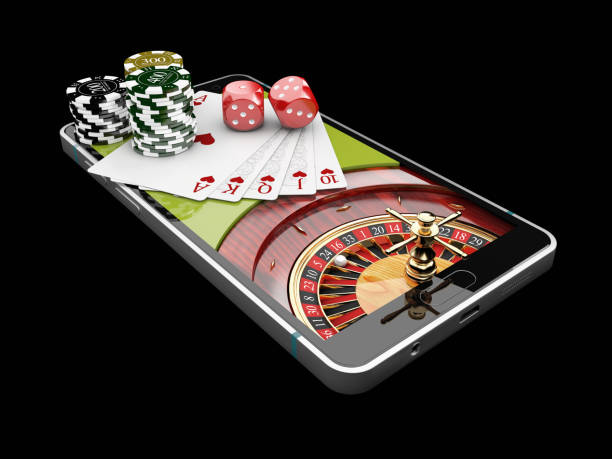
The effectiveness of these sensory elements is further compounded by the immersive experience they create. As players become more engrossed in the game, they may lose track of time and surroundings, leading to extended gameplay sessions. This sensory overload can overwhelm the senses, making it easy for players to forget about their limits or initial intentions to stop playing. Ultimately, the combination of visual and auditory stimuli is a potent force in making casino games not just entertaining but truly addictive.
The Element of Competition
Another aspect that contributes to the addictive nature of casino games is the element of competition. Many games, especially those with multiplayer features or leaderboards, amplify the competitive spirit in players. When individuals see others winning or climbing higher on a leaderboard, it can spark a desire to outperform them. This competitive drive can push players to invest more time and resources into the game, as they seek to beat their peers or prove their skills, feeding into the overall addictive cycle.
The social element of competition also plays a critical role in enhancing engagement. Whether through poker tables where players interact directly or online platforms where players can chat and share victories, the social interaction creates a sense of community. This camaraderie can be addictive, as players want to be part of the group, share experiences, and showcase their achievements. The fear of missing out (FOMO) can compel individuals to play longer and more frequently, leading to heightened investment in the gaming experience.
This social competition creates a feedback loop where success breeds motivation, encouraging players to continue playing to maintain or enhance their status within the community. As players see their friends or rivals making substantial winnings, the urge to join the fray and compete can be too tempting to resist. Thus, the element of competition is not just about individual skill; it’s about belonging to a community where engagement can spiral into addiction, as players continually strive to prove themselves against one another.
The Impact of Bonus Structures and Promotions
Casino games often employ complex bonus structures and promotional incentives that can heighten their addictive qualities. These bonuses can take various forms, such as free spins, match bonuses, or loyalty rewards, all designed to entice players. The promise of extra chances to win without additional risk can be a powerful motivator, leading players to engage longer and more frequently with the games. This strategy exploits the excitement and anticipation that bonuses create, making players feel as if they are getting more value, which enhances their overall gaming experience.

In addition, casinos often employ time-sensitive promotions that create a sense of urgency. These promotions can encourage players to act quickly, often leading to impulsive decisions and increased gameplay. The feeling that a deal or bonus might be lost if they don’t play immediately can push players to log in and gamble, further fueling their engagement. This tactic plays into the psychology of scarcity, where individuals are more likely to desire something when they perceive it as limited or fleeting.
The intricacies of these bonus structures often lead to an ongoing cycle of play, as players chase after rewards and bonuses. Each small win or reward serves as a reinforcing agent, prompting more gameplay. Ultimately, this systematic approach to promotions can create an environment where players feel compelled to play not just for the thrill of gambling but also for the added benefits and bonuses, further contributing to the overall addictiveness of casino games.
Exploring Responsible Gaming and Awareness
While the design elements of casino games can lead to addictive behavior, it is crucial to promote responsible gaming and awareness. As players become increasingly aware of the potential for addiction, they can make more informed decisions about their gaming habits. Many responsible gaming initiatives encourage casinos to provide resources and tools for players to set limits on their spending and gameplay time. Such measures can help create a healthier gaming environment and reduce the risk of addiction, ultimately promoting a more sustainable interaction with casino games.
Furthermore, education on the signs of addiction is vital for both players and their families. Understanding the indicators of problem gambling can enable individuals to seek help or support when needed. Open conversations about gambling addictions can lessen the stigma associated with seeking help, making it easier for affected individuals to reach out for assistance. Many casinos and online gaming platforms also offer self-exclusion options and resources for players who recognize they need a break from gaming.
Ultimately, while the allure of casino games and their addictive nature can be captivating, fostering a culture of awareness and responsibility is essential. Players must be empowered to recognize their limits and prioritize their well-being over extended gameplay. By addressing the potential dangers of gambling addiction head-on, both players and operators can contribute to a more sustainable gaming community, ensuring that the thrill of the game does not overshadow personal health and well-being.